
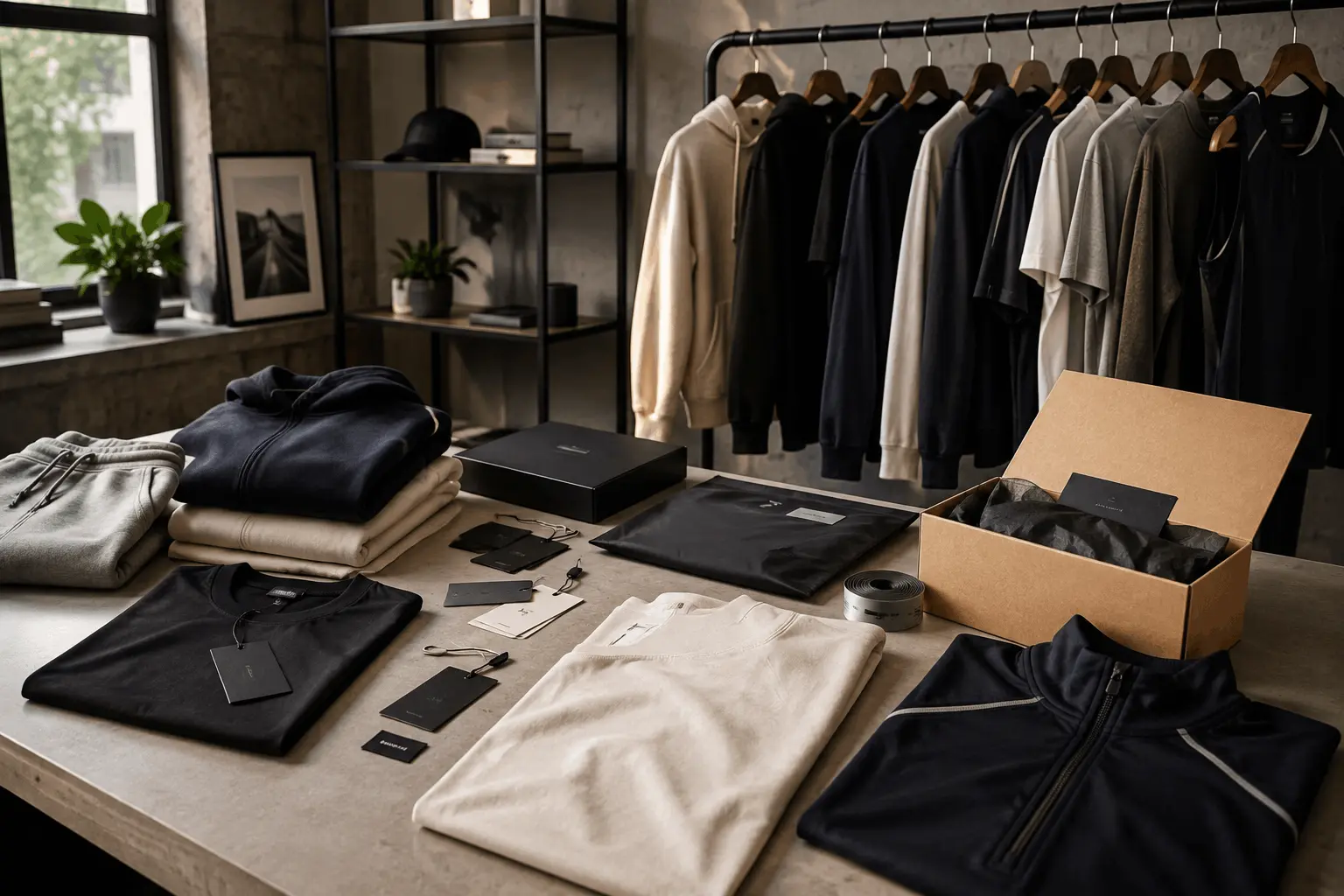
How to Start a Private Label Clothing Brand With the Right Manufacturer
How to Start a Private Label Clothing Brand With the Right Manufacturer
Starting a private label clothing brand is easier than ever — but building one that customers trust requires much more than placing a logo on a blank garment.
A successful private label collection depends on the right combination of product development, fabric selection, fit, branding, packaging, quality control, and reliable manufacturing.
For new and growing apparel brands, the manufacturer is not just a supplier. They become a critical part of how consistently your brand delivers its promise to customers.
At Drape Sports, we support buyers who want to develop sportswear and streetwear collections under their own brand identity.
1. Define Your Brand Before You Start Production
Before choosing products or requesting quotations, your brand positioning should be clear.
You should understand:
- Who your customer is
- What type of apparel you want to sell
- Your intended price point
- Your desired fit
- Your visual identity
- Your target market
- Your quality expectations
A premium activewear brand will require a different product strategy from a casual streetwear label or a budget teamwear business.
2. Choose the Right Products for Your First Collection
One of the biggest mistakes new brands make is launching too many products at once.
A focused first collection is usually easier to manage.
Depending on your market, this may include:
Sportswear
- Jerseys
- Tracksuits
- Training tops
- Sports bras
- Performance pants
Streetwear
- Hoodies
- Sweatshirts
- Graphic tees
- Jackets
- Oversized tops
Starting with a smaller product range allows you to focus more closely on fit, quality, branding, and customer feedback.
3. Decide How Custom You Want the Product to Be
Private label manufacturing can mean different things depending on the brand.
Some businesses want to start from an existing proven pattern and customize:
- Fabric
- Colour
- Fit
- Labels
- Printing
- Embroidery
- Packaging
Other brands want a completely custom garment developed from a tech pack or reference sample.
Starting from a proven block can reduce development time, while full custom development gives greater control over the final product.
The right approach depends on your budget, timeline, product strategy, and brand differentiation.
4. Develop Your Sample Before Bulk Production
A physical sample is one of the most important steps in private label manufacturing.
It gives you the opportunity to evaluate:
Fit:
Does the garment sit and move the way your customer expects?
Fabric:
Does the material match your required weight, feel, stretch, and appearance?
Branding:
Are logos, embroidery, prints, labels, and colours accurate?
Construction:
Are stitching, seams, zippers, pockets, and other details produced correctly?
You should approve the physical product before moving into bulk manufacturing.
5. Build Your Brand Into the Garment
Private label apparel should feel like your product, not simply a generic garment with a logo added.
Brand customization can include:
- Main labels
- Size labels
- Care labels
- Woven labels
- Embroidery
- Sublimation
- Puff printing
- Custom colourways
- Hangtags
- Custom polybags
- Retail-ready packaging
Small details can significantly affect how professional the final product feels when it reaches the customer.
6. Understand MOQ Before You Order
MOQ — Minimum Order Quantity — directly affects the cost and flexibility of your first production run.
New brands should understand exactly how MOQ applies to:
- Styles
- Colours
- Sizes
- Fabric
- Printing
- Embroidery
- Labels
- Packaging
A low MOQ may be useful for testing the market, while larger production runs can become more efficient once demand is established.
The goal should not simply be to order the lowest possible quantity.
The goal is to choose a production quantity that matches your sales expectations and cash flow.
7. Make Quality Control Part of Your Brand Strategy
Customers do not see your factory.
They see the finished garment.
That means every production issue eventually becomes a brand issue.
Quality control should therefore cover:
- Measurements
- Stitching
- Fabric
- Colour
- Printing
- Embroidery
- Labels
- Finishing
- Packaging
Consistency becomes even more important when customers reorder the same product months later.
A reliable manufacturer should help maintain the approved standard across repeat production.
8. Plan Packaging and Retail Presentation
Packaging is often overlooked during product development.
For direct-to-consumer and retail brands, presentation can influence how customers perceive the product before they even wear it.
Depending on your business model, you may need:
- Custom polybags
- Branded hangtags
- Barcode labels
- Size stickers
- Folding requirements
- Carton specifications
- Retail-ready packing
These requirements should be discussed early so they can be included in the production plan.
Conclusion: Private Label Success Starts Before the First Order
Building a private label clothing brand is not simply about adding your logo to apparel.
The strongest brands develop products around a clear customer, consistent fit, controlled quality, distinctive branding, and reliable production.
Choosing the right manufacturing partner helps turn those decisions into a repeatable production system.
At Drape Sports, we support private label sportswear and streetwear development through patterning, sampling, cutting, sewing, decoration, inspection, packaging, and export preparation.
Ready to Build Your Private Label Collection?
Send us your tech pack, reference garment, design idea, or existing product requirements and discuss your next collection with our team.
Start Your Private Label Project
Private label sportswear and streetwear manufacturing for brands looking to develop custom apparel with controlled production and professional finishing.
