
Production

Production

How to Start a Private Label Clothing Brand With the Right Manufacturer

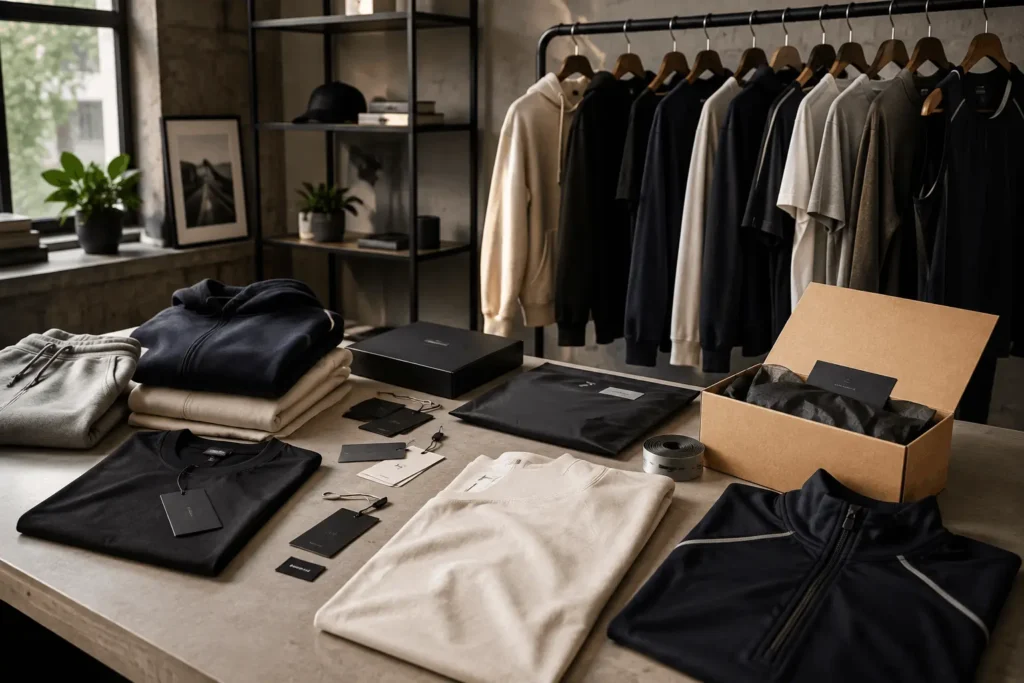
How to Start a Private Label Clothing Brand With the Right Manufacturer How to Start a Private Label Clothing Brand With the Right Manufacturer Starting a private label clothing brand is easier than ever — but building one that customers trust requires much more than placing a logo on a blank garment. A successful private label collection depends on the right combination of product development, fabric selection, fit, branding, packaging, quality control, and reliable manufacturing. For new and growing apparel brands, the manufacturer is not just a supplier. They become a critical part of how consistently your brand delivers its promise to customers. At Drape Sports, we support buyers who want to develop sportswear and streetwear collections under their own brand identity. 1. Define Your Brand Before You Start Production Before choosing products or requesting quotations, your brand positioning should be clear. You should understand: Who your customer is What type of apparel you want to sell Your intended price point Your desired fit Your visual identity Your target market Your quality expectations A premium activewear brand will require a different product strategy from a casual streetwear label or a budget teamwear business. 2. Choose the Right Products for Your First Collection One of the biggest mistakes new brands make is launching too many products at once. A focused first collection is usually easier to manage. Depending on your market, this may include: Sportswear Jerseys Tracksuits Training tops Sports bras Performance pants Streetwear Hoodies Sweatshirts Graphic tees Jackets Oversized tops Starting with a smaller product range allows you to focus more closely on fit, quality, branding, and customer feedback. 3. Decide How Custom You Want the Product to Be Private label manufacturing can mean different things depending on the brand. Some businesses want to start from an existing proven pattern and customize: Fabric Colour Fit Labels Printing Embroidery Packaging Other brands want a completely custom garment developed from a tech pack or reference sample. Starting from a proven block can reduce development time, while full custom development gives greater control over the final product. The right approach depends on your budget, timeline, product strategy, and brand differentiation. 4. Develop Your Sample Before Bulk Production A physical sample is one of the most important steps in private label manufacturing. It gives you the opportunity to evaluate: Fit:Does the garment sit and move the way your customer expects? Fabric:Does the material match your required weight, feel, stretch, and appearance? Branding:Are logos, embroidery, prints, labels, and colours accurate? Construction:Are stitching, seams, zippers, pockets, and other details produced correctly? You should approve the physical product before moving into bulk manufacturing. 5. Build Your Brand Into the Garment Private label apparel should feel like your product, not simply a generic garment with a logo added. Brand customization can include: Main labels Size labels Care labels Woven labels Embroidery Sublimation Puff printing Custom colourways Hangtags Custom polybags Retail-ready packaging Small details can significantly affect how professional the final product feels when it reaches the customer. 6. Understand MOQ Before You Order MOQ — Minimum Order Quantity — directly affects the cost and flexibility of your first production run. New brands should understand exactly how MOQ applies to: Styles Colours Sizes Fabric Printing Embroidery Labels Packaging A low MOQ may be useful for testing the market, while larger production runs can become more efficient once demand is established. The goal should not simply be to order the lowest possible quantity. The goal is to choose a production quantity that matches your sales expectations and cash flow. 7. Make Quality Control Part of Your Brand Strategy Customers do not see your factory. They see the finished garment. That means every production issue eventually becomes a brand issue. Quality control should therefore cover: Measurements Stitching Fabric Colour Printing Embroidery Labels Finishing Packaging Consistency becomes even more important when customers reorder the same product months later. A reliable manufacturer should help maintain the approved standard across repeat production. 8. Plan Packaging and Retail Presentation Packaging is often overlooked during product development. For direct-to-consumer and retail brands, presentation can influence how customers perceive the product before they even wear it. Depending on your business model, you may need: Custom polybags Branded hangtags Barcode labels Size stickers Folding requirements Carton specifications Retail-ready packing These requirements should be discussed early so they can be included in the production plan. Conclusion: Private Label Success Starts Before the First Order Building a private label clothing brand is not simply about adding your logo to apparel. The strongest brands develop products around a clear customer, consistent fit, controlled quality, distinctive branding, and reliable production. Choosing the right manufacturing partner helps turn those decisions into a repeatable production system. At Drape Sports, we support private label sportswear and streetwear development through patterning, sampling, cutting, sewing, decoration, inspection, packaging, and export preparation. Ready to Build Your Private Label Collection? Send us your tech pack, reference garment, design idea, or existing product requirements and discuss your next collection with our team. Start Your Private Label Project Private label sportswear and streetwear manufacturing for brands looking to develop custom apparel with controlled production and professional finishing.

Production

From Tech Pack to Shipment: How Apparel Production Actually Works

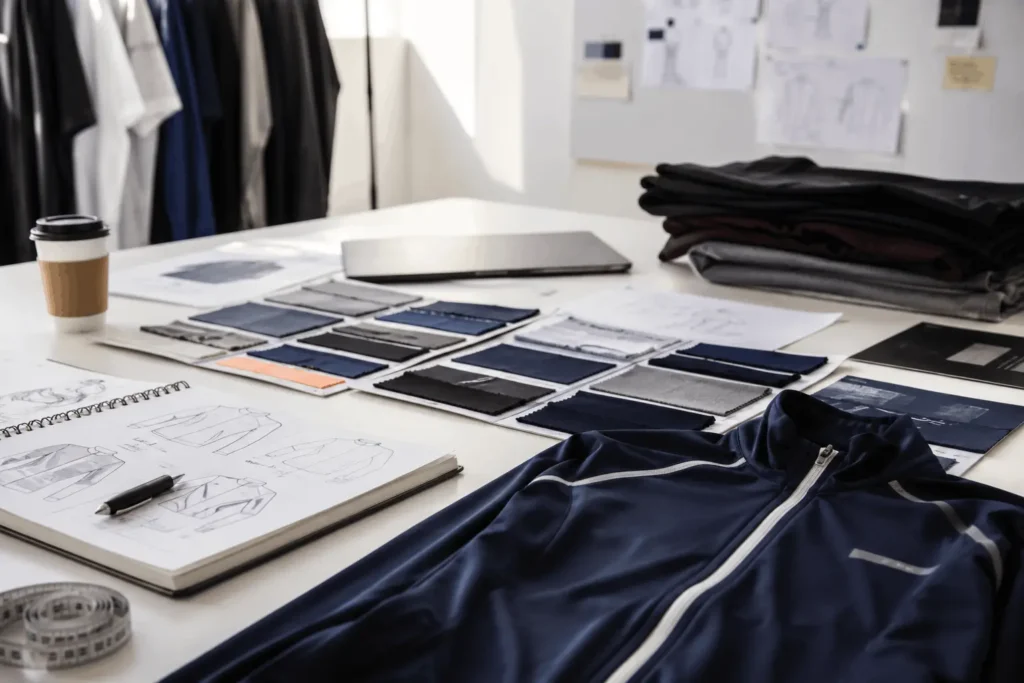
From Tech Pack to Shipment: How Apparel Production Actually Works Bringing a clothing idea to life involves much more than cutting fabric and sewing garments together. For apparel brands, wholesalers, and importers, a successful production run depends on a controlled process — from technical development and sampling to bulk manufacturing, quality inspection, and final shipment. Understanding how apparel production works helps buyers communicate better with manufacturers, reduce mistakes, and manage timelines more effectively. At Drape Sports, our production workflow is structured to give buyers greater visibility from the first pattern through to the final packed order. 1. Product Development Starts With Clear Specifications Every successful production run starts with accurate information. Before manufacturing begins, the factory needs to understand exactly what the buyer wants to produce. This may include: Tech pack Reference garment Measurements Fabric requirements Colour references Branding details Printing or embroidery Labels Packaging requirements Quantity and size breakdown The clearer the specifications are at the beginning, the fewer problems are likely to appear later in production. 2. Pattern Making & Size Grading Once the product requirements are understood, the garment pattern is developed. The pattern determines the structure, proportions, and fit of the finished garment. At Drape Sports, our in-house pattern room develops blocks according to the buyer’s specifications. After the base size is approved, the pattern can be graded across the required size range. For example: S → M → L → XL → XXL Proper grading helps maintain consistent proportions across different garment sizes instead of simply making every measurement larger. 3. Sample Development Before bulk production, a physical sample should be created. This allows the buyer to review how the design performs as an actual garment. Important areas to review include: Fit:Does the garment match the intended silhouette and measurements? Fabric:Does the material provide the required feel, stretch, weight, and performance? Construction:Are seams, panels, pockets, collars, and other details correctly produced? Branding:Are embroidery, prints, logos, labels, and colours positioned correctly? Samples should be revised if necessary before bulk production receives final approval. 4. Fabric & Trim Preparation Once the sample is approved, bulk materials are prepared. This stage can include: Main fabric Rib Mesh Lining Elastic Zippers Drawcords Buttons Labels Hangtags Packaging materials Fabric specifications such as GSM, composition, colour, stretch, and finish should match the approved requirements. 5. Cutting the Bulk Fabric Fabric is laid according to the production plan and cut using the approved pattern. Accuracy during cutting is critical because even small deviations can affect garment fit and consistency. The cutting team must also account for: Size breakdowns Fabric direction Panel matching Fabric defects Marker efficiency Production quantity Accurate cutting creates the foundation for consistent sewing. 6. Sewing & Garment Assembly The cut garment panels then move to the sewing lines. Different parts of the garment are assembled according to the approved construction. Depending on the product, this may involve: Overlock stitching Flatlock seams Coverstitching Reinforcement Zipper installation Rib attachment Panel joining Pocket construction Quality checks during this stage help identify issues before the entire production batch is completed. 7. Printing, Sublimation & Embroidery Branding and decoration are a major part of custom apparel manufacturing. Depending on the garment and design, production may include: Sublimation Commonly used for sports jerseys and performance apparel where full-colour graphics are required. Embroidery Suitable for logos, badges, and premium branding details. Puff Printing Used to create raised, dimensional graphic effects. Other Print Applications Different printing techniques can be selected depending on the fabric, design, and intended finish. The decoration method should always be compatible with the selected material and garment construction. 8. Quality Control During Production Quality control should not be limited to the final day of production. Problems are easier to fix when they are detected early. A controlled production workflow may include: Inline Checks:Inspecting garments while they are being sewn. Measurement Checks:Comparing garment dimensions against approved specifications. Decoration Checks:Reviewing printing, embroidery, colour, and positioning. Finishing Checks:Checking loose threads, stains, construction, and general appearance. At Drape Sports, production and inspection are coordinated within the manufacturing process rather than being treated as completely separate stages. Conclusion: Good Production Is About Control Reliable apparel manufacturing is not one single production step. It is a chain of connected processes where each stage affects the next. Accurate specifications lead to better patterns. Better patterns lead to better samples. Approved samples create clearer bulk production standards. And consistent quality control reduces the risk of problems reaching the final shipment. At Drape Sports, pattern development, cutting, sewing, decoration, inspection, and export preparation are coordinated under one manufacturing workflow to give buyers greater control over their orders. Ready to Start Your Production? Whether you are developing sportswear, streetwear, teamwear, or a private-label collection, send us your tech pack, reference garment, or production requirements. Start Your Production Order Custom apparel manufacturing for global brands — from pattern development and sampling to bulk production, quality control, and export.